
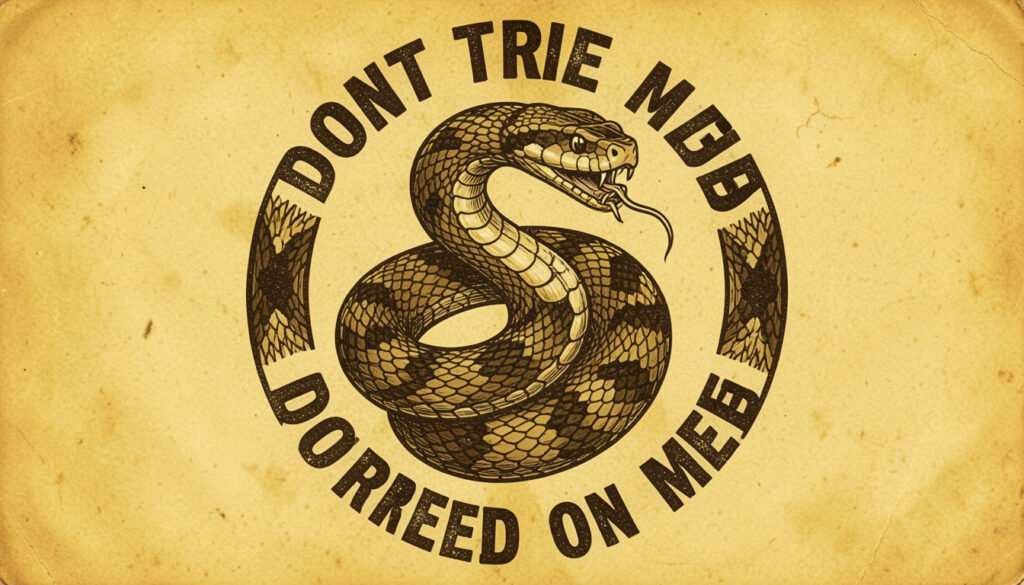

Have you ever seen a bright yellow flag showing a coiled rattlesnake ready to strike? You might notice the words dont tread on me printed right beneath the snake. People fly this flag outside their homes, stick it on cars, and wear it on t-shirts.
When I first saw this historic symbol years ago, I wondered what made it so popular across America. The phrase simple means “leave me alone” or “do not step on my rights.” It carries a powerful message about individual freedom, independence, and personal strength.
This iconic design has traveled through over two centuries of American history. It started as a rallying banner during the American Revolution and remains a major cultural emblem today. Let us explore the story, evolution, and modern uses behind this famous American symbol.
Quick Facts About the Gadsden Symbol
| Historical Aspect | Key Information & Historical Fact |
| Primary Creator | Christopher Gadsden (South Carolina delegate) |
| Year Designed | 1775 during the American Revolution |
| Featured Symbol | Timber Rattlesnake coiled on green grass |
| Primary Colors | Bright Yellow, Timber Brown, and Grass Green |
| Original Purpose | Flag for the Continental Navy and Marines |
| Core Message | Personal liberty, independence, and defense |
What Does “Dont Tread On Me” Mean?
To understand the core message, we must look at simple everyday language. The word “tread” means to step on, crush, or trample something under your feet. Therefore, dont tread on me meaning boils down to a clear warning: do not step on my individual freedom.
It tells leaders and governments that people want to live freely without unfair control. The symbol warns that pushing peaceful citizens too far will cause them to strike back in self-defense. It represents personal dignity, rights, and a desire for independence.
Many people view this message as a basic human plea for freedom. It expresses a desire to live without heavy rules or unwanted interference.
What Does “Dont Tread On Me” Mean in American History?
Asking what does dont tread on me mean takes us right back to the birth of America in 1775. American colonists felt that the British Crown was treating them unfairly through heavy taxes and strict control. They wanted a clear symbol to show their collective unity and determination to fight back.
Political leader Christopher Gadsden designed a special yellow flag for the young navy. He used the native timber rattlesnake to warn Great Britain that the colonies would defend their liberty.
The banner showed that peaceful people could turn fierce if pushed into a corner. It became an instant symbol of defiance and courage across the thirteen original colonies.
The Fascinating Origin of the Symbol
When exploring the dont tread on me origin, we discover the brilliant mind of Benjamin Franklin. In 1751, Franklin wrote a famous satirical piece suggesting colonists send timber rattlesnakes to London in return for British convicts.
Later in 1754, Franklin created the famous “Join, or Die” cartoon showing a snake chopped into pieces. It urged the split colonies to unite together or fall apart completely.
By 1775, the separate snake pieces were drawn back together as a whole, coiled rattlesnake. Christopher Gadsden took this united rattlesnake concept and placed it onto his historic yellow flag design.
Understanding the Symbolism of the Rattlesnake
The choice of a dont tread on me snake was very intentional for early American thinkers. The timber rattlesnake is native only to North America, making it a unique local icon. Benjamin Franklin noted several key traits that made the rattlesnake a perfect symbol for the new nation:
- Gentle Nature: A rattlesnake never attacks first without cause.
- Clear Warning: It always rattles to warn enemies before striking.
- Generous Courage: It never surrenders once a fight begins.
- Bright Eyes: Its eyes stay sharp and watchful at all times.
These natural traits perfectly matched how early American patriots viewed their struggle for freedom.
The Historic Gadsden Flag Explained
The original banner is widely recognized as the official dont tread on me flag today. It features a bright yellow field with a timber rattlesnake resting on a patch of green grass. The snake sits coiled, ready to strike if an enemy comes too close.
Yellow was chosen because it stands out clearly across long distances at sea. The bold block letters at the bottom leave no room for confusion about its message.
Naval ships flew this flag during early sea battles against British warships. Today, historians treat the original flag as one of America’s greatest historic artifacts.
What Does the Flag Mean to People Today?
The deeper dont tread on me flag meaning has evolved significantly over the last century. While it began as a military naval banner, modern citizens use it to voice political beliefs. Today, people fly it to show support for limited government control, individual rights, and personal liberty.
In recent decades, free-market groups and libertarian movements adopted the flag as their main emblem. It is frequently seen at rallies supporting gun rights, constitutional freedoms, and lower taxes.
For millions of everyday citizens, flying the flag shows pride in American independence and constitutional rights.
The “Dont Tread On Me” Uterus and Modern Adaptations
In recent years, activists have created fresh variations of the classic historical symbol. One widely discussed adaptation is the dont tread on me uterus design used in women’s rights movements.
This modern variation replaces the traditional rattlesnake with a stylized drawing of a uterus. Protesters use this image to demand personal control over bodily autonomy and healthcare choices.
By taking a famous historic phrase and applying it to modern bodily rights, activists highlight individual independence. It proves that centuries-old revolutionary symbols continue to inspire fresh political movements today.
Expressing Liberty Through Body Art
It is very common to see a dont tread on me tattoo inked on people across the country. Military veterans, history lovers, and liberty advocates often choose this classic design for arm or chest tattoos.
The tattoo typically features a realistic coiled rattlesnake wrapped around the historic phrase. For many who wear it, the ink represents personal resilience, self-reliance, and patriotic pride.
It serves as a permanent personal vow to stand up for freedom and protect personal rights.
Displaying the Emblem on Vehicles
Many states now offer an official dont tread on me license plate for registered motor vehicles. Drivers can pay a small extra fee to show the bright yellow Gadsden design on their cars and trucks.
States like Virginia, South Carolina, and Texas introduced these popular specialty license plates for highway drivers. A portion of the extra fees often goes toward local historic preservation or veterans groups.
It allows everyday commuters to showcase their love for history and individual freedom while driving.
Common Myths vs Historical Facts
- Myth: The phrase was written by Thomas Jefferson in the Declaration of Independence.
- Fact: The phrase was created for naval banners by military planners in 1775.
- Myth: Rattlesnakes are aggressive creatures that hunt down humans.
- Fact: Rattlesnakes only strike when threatened or stepped on directly.
- Myth: The Gadsden flag was the official first flag of the United States.
- Fact: It served as an early naval and military banner alongside other patriotic flags.
Conclusion
The message of dont tread on me remains just as relevant today as it was in 1775. From its revolutionary origins on warships to modern bumper stickers, it represents a timeless human desire for freedom. It reminds us that liberty requires constant vigilance, mutual respect, and personal courage.
Whether viewed as a piece of early history or a modern statement of independence, the coiled rattlesnake continues to inspire millions. What are your thoughts on this classic American symbol? Share your views or join the discussion in the comments below!
(FAQs)
What does “dont tread on me” mean in simple terms?
It means “do not step on me” or “leave my rights alone.” It is a clear warning against unfair control, oppression, or interference in personal liberty.
Who created the original “dont tread on me” flag?
South Carolina politician Christopher Gadsden designed the flag in 1775 for the Continental Navy during the American Revolutionary War.
Why was a rattlesnake chosen as the main symbol?
Benjamin Franklin popularized the rattlesnake because it is native to America, warns enemies before striking, and defends itself fiercely when threatened.
Is the Gadsden flag an official state flag?
No, it is not an official state flag today. However, many states offer specialty Gadsden license plates for drivers who want to display the design.
What is the “dont tread on me uterus” symbol?
It is a modern adaptation used by women’s rights advocates to defend reproductive freedom, replacing the rattlesnake with a uterus graphic.
Can anyone fly the “dont tread on me” flag today?
Yes, anyone can fly the flag. It is a popular historical emblem displayed outside homes, at rallies, and on personal property across America.